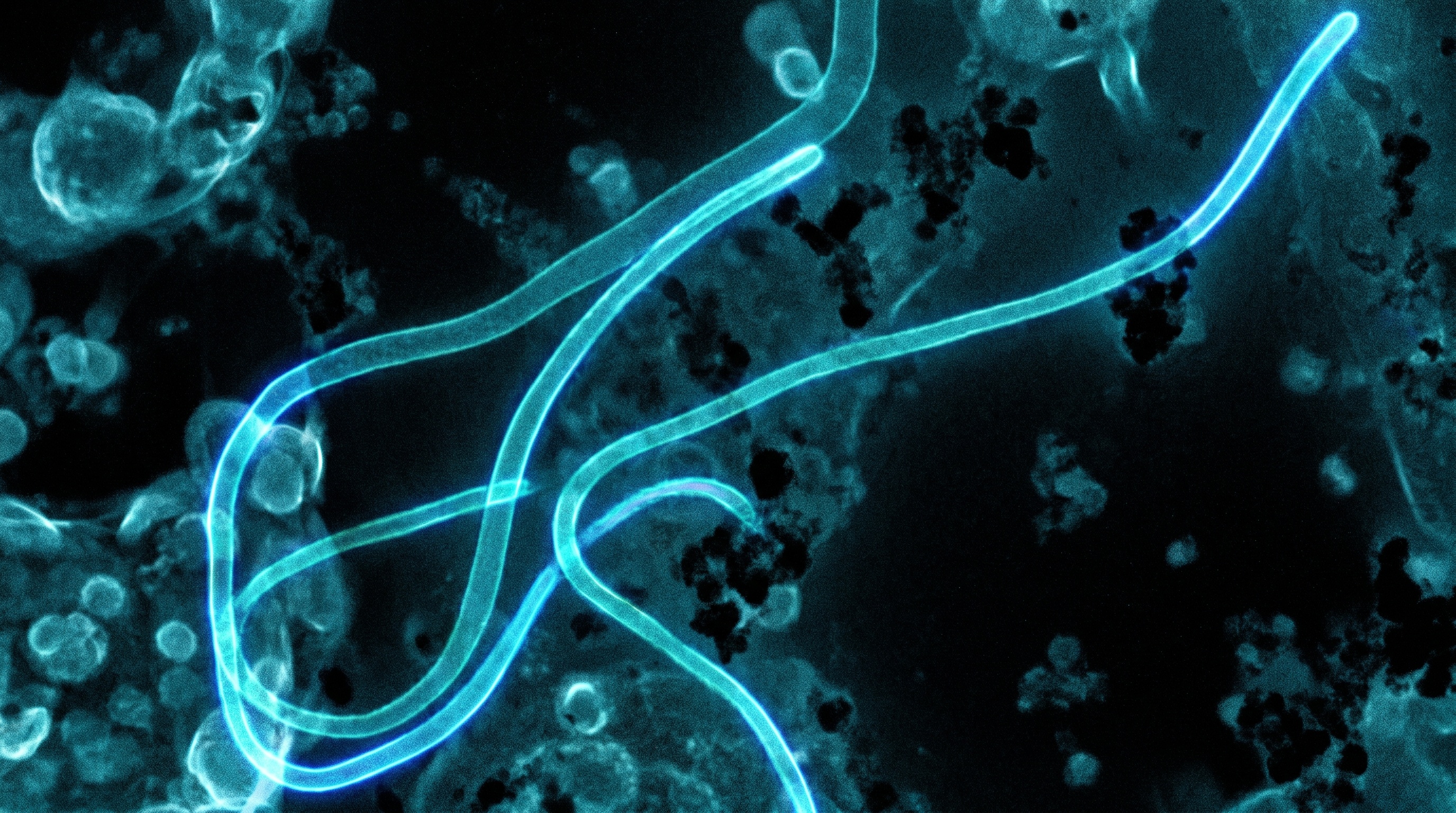
Record Daily Jump in DRC Ebola Outbreak Raises Death Toll and Global Concern
Health officials in the Democratic Republic of Congo (DRC) are grappling with a significant and alarming surge in Ebola cases, reporting a record daily increase that has pushed the total number of deaths attributed to the outbreak to 178. This latest spike in infections and fatalities has intensified concerns among international health organizations and governments, highlighting the persistent challenges in controlling the deadly virus in the densely populated and often volatile region.
The current outbreak is caused by the Bundibugyo virus strain, a less common variant of the Ebola virus. Confirmed cases have now reached a total of 782, underscoring the severity and rapid spread of the disease. The sheer number of new infections reported in a single day is unprecedented for this particular outbreak, signaling a potential acceleration in transmission dynamics that requires urgent and intensified intervention.
Response teams, comprised of local health workers, Congolese military personnel, and international experts, are actively working around the clock to contain the virus and provide critical care to those affected. The Ministry of Health has been coordinating efforts with a consortium of international health organizations, including the World Health Organization (WHO), Doctors Without Borders (MSF), and UNICEF, to manage the escalating crisis. These collaborative efforts involve contact tracing, vaccination campaigns in affected and surrounding communities, safe burial practices, and the establishment of treatment centers.
The Bundibugyo Ebola virus was first identified in 2007 in Uganda, where it caused 37 deaths. The current outbreak marks the second time this specific strain has been identified, and its resurgence in the DRC presents unique challenges. While the Zaire strain, responsible for the devastating 2014-2016 West Africa epidemic and the 2018-2020 DRC outbreak, is more widely understood, the Bundibugyo strain's characteristics and response protocols require careful adaptation. Public health officials are closely monitoring for any deviations in its behavior or increased virulence compared to its initial appearance.
Background and Context
The Democratic Republic of Congo has a long and complex history with Ebola, having experienced numerous outbreaks since the virus was first identified in 1976. The country's vast size, porous borders, and ongoing security challenges in certain regions often complicate containment efforts. Many of the affected areas are remote, making it difficult for health workers to reach populations quickly and for individuals to access healthcare services. Furthermore, historical mistrust of health authorities and the presence of armed groups in some outbreak zones can hinder vaccination drives and the implementation of essential public health measures.
The Bundibugyo virus, while less frequent, is known to have a significant mortality rate. Its re-emergence underscores the importance of sustained surveillance and preparedness, even when outbreaks are not caused by the more commonly encountered strains. The fact that this outbreak has reached over 780 confirmed cases and claimed nearly 180 lives demonstrates the resilience and adaptability of the virus, as well as the ongoing vulnerabilities within the region's health infrastructure.
Analysis of the Surge
The record daily jump in cases is a cause for serious concern and suggests that transmission chains may be more extensive than previously understood. Several factors could be contributing to this surge. These may include delays in reporting suspected cases, challenges in effectively isolating infected individuals, and community resistance to public health interventions. The movement of people across borders and within the DRC, particularly during periods of displacement due to conflict or economic hardship, can also facilitate the rapid spread of the virus.
Health experts are also examining the possibility of increased community transmission, where infections occur outside of known or suspected contact with confirmed cases. This can happen when individuals with symptoms do not seek medical attention promptly, or when safe burial practices are not followed, leading to further exposure. The effectiveness of current contact tracing and vaccination strategies is under constant review to identify any gaps or areas needing reinforcement.
Implications and Global Response
The escalating situation in the DRC has significant implications not only for the affected communities but also for regional and global health security. While the risk of widespread international transmission remains low due to robust global surveillance and response mechanisms, any large-scale Ebola outbreak requires vigilant monitoring. The economic and social disruption caused by such outbreaks can be immense, impacting local economies, straining healthcare systems, and leading to humanitarian crises.
International partners are mobilizing resources, expertise, and financial aid to support the DRC's response. This includes providing essential medical supplies, deploying epidemiologists and clinicians, and assisting with logistical support for vaccination campaigns. The WHO is playing a crucial role in coordinating these international efforts, ensuring that the response is aligned with best practices and addresses the most pressing needs on the ground. The focus remains on breaking the chains of transmission, preventing further spread, and ultimately bringing the outbreak under control.
What Happens Next
The immediate priority for health authorities and their partners is to intensify efforts to identify and isolate new cases, trace and monitor all contacts, and accelerate vaccination campaigns in high-risk areas. This will involve deploying additional rapid response teams, strengthening laboratory capacity for faster diagnostic testing, and working closely with community leaders to build trust and encourage cooperation with public health measures. Long-term strategies will also need to address the underlying vulnerabilities in the region's health system and improve preparedness for future outbreaks.
The Ministry of Health, in collaboration with international bodies, will continue to provide regular updates on the epidemiological situation, case numbers, and response activities. Public awareness campaigns will be crucial in disseminating accurate information about Ebola prevention, symptoms, and the importance of seeking timely medical care. The international community will be watching closely, ready to provide sustained support to help the DRC overcome this formidable public health challenge.