Tropical Storm Arthur Remnants Trigger Flooding and Evacuations Along Gulf Coast
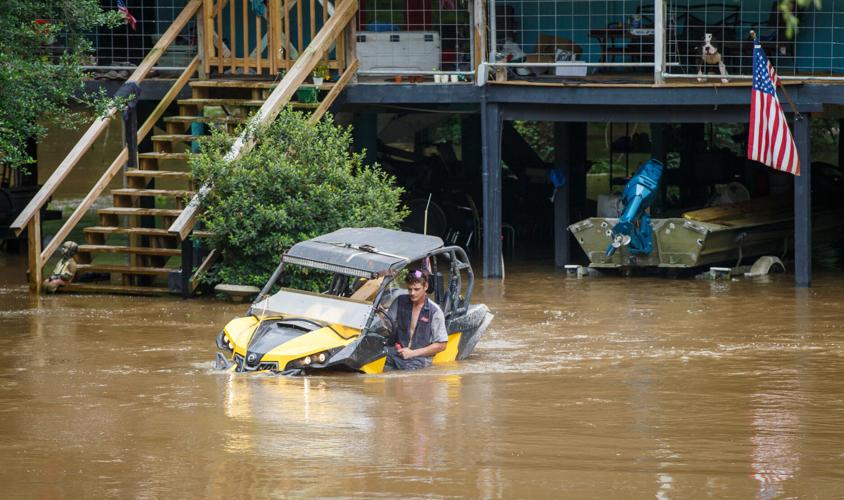
The lingering effects of Tropical Storm Arthur have unleashed significant rainfall across parts of the southeastern United States, leading to widespread flash flooding. Low-lying areas and communities adjacent to waterways have been particularly hard-hit, transforming familiar streets into treacherous rivers and inundating homes with muddy water.
Emergency officials have initiated mandatory evacuations in several Gulf Coast states as water levels continue to rise at an alarming rate. Residents in affected regions, particularly those in coastal communities and along riverbanks, are being urged to seek higher ground and meticulously follow guidance from local authorities. Shelters have been opened in designated safe zones, providing temporary refuge for those displaced by the rising waters. The swiftness of the flooding has caught many by surprise, with some residents reporting only minutes to gather essential belongings before being forced to flee.
Numerous homes have sustained damage from the inundating waters, with some properties experiencing water levels reaching several feet. The full extent of property destruction is still being assessed as rescue operations continue. First responders, equipped with boats and high-water vehicles, are working tirelessly to reach stranded individuals and assess the damage. The economic impact of these floodwaters is expected to be substantial, with preliminary estimates suggesting millions of dollars in property and infrastructure damage.
The National Weather Service issued severe weather warnings, citing the potential for prolonged periods of heavy precipitation and dangerous flash flood conditions. Meteorologists are closely monitoring the situation, emphasizing that while Arthur has weakened, its atmospheric remnants are acting as a potent rain-producing engine, fueled by warm, moist air from the Gulf of Mexico. The slow movement of these weather systems over already saturated ground is exacerbating the flooding crisis.
Authorities are strongly advising against travel in flooded areas due to hazardous road conditions, including unseen submerged debris, strong currents, and the potential for bridge and road collapses. The focus remains on ensuring the safety and well-being of all residents in the path of the storm's remnants. Public service announcements are being broadcast, urging citizens to stay informed through official channels and to avoid unnecessary risks. The cumulative effect of this rainfall is also raising concerns about potential long-term impacts on local ecosystems and water quality.
The storm system made landfall earlier in the week before weakening into a tropical depression, but its moisture-laden clouds have continued to dump rain across the region. This prolonged period of intense rainfall, often exceeding several inches in a matter of hours, has overwhelmed drainage systems and natural waterways. The geographical characteristics of the Gulf Coast, with its low elevation and extensive network of bayous and rivers, make it particularly susceptible to such widespread flooding events. Experts point to the increasing intensity of such rainfall events as a potential indicator of broader climate shifts, though direct attribution to any single event is complex.
The aftermath of the flooding is expected to present significant challenges. Beyond immediate rescue and recovery efforts, communities will face the daunting task of rebuilding and mitigating future risks. Local and state governments are already beginning to discuss long-term infrastructure improvements, including the reinforcement of levees, upgrades to stormwater management systems, and potentially relocating vulnerable properties. The psychological toll on residents who have lost homes and possessions is also a critical consideration, with mental health support services being mobilized.
The National Oceanic and Atmospheric Administration (NOAA) and other meteorological agencies will continue to analyze the data from Arthur's remnants to better understand the dynamics of such rainfall events. This information is crucial for refining forecasting models and improving early warning systems for future storms. The resilience of Gulf Coast communities, often tested by hurricanes and tropical systems, will once again be on display as they navigate the recovery process from the deluge brought by Arthur's lingering influence.