US Conducts Further Strikes on Iran, Trump Warns of Escalation
The United States military has launched a new series of strikes against Iran, following earlier actions on Tuesday. The latest strikes are reportedly more extensive than those conducted the previous day, signaling a significant escalation in the ongoing confrontation between the two nations. The Pentagon has confirmed the renewed military action, stating it is a direct response to what it describes as Iran's destabilizing activities in the region, particularly its alleged involvement in attacks on international shipping in the vital Strait of Hormuz.
President Donald Trump reiterated his administration's stance, stating that the strikes were in retaliation for attacks on shipping vessels in the Strait of Hormuz. He also issued a stark warning, threatening further and more severe consequences should Iran continue its actions. The President’s remarks, made from the White House, underscored a hardening of American resolve, indicating a departure from previous diplomatic overtures and a clear embrace of military pressure.
“We will not tolerate this,” President Trump said, adding that Iran would face “much worse” if they persist. “This is a necessary measure to deter further aggression and to protect our allies and our interests in the region.”
Iranian state media has reported explosions occurring in multiple locations across the country. While official Iranian sources have been cautious in their reporting, independent analysts suggest the strikes may have targeted military installations and infrastructure believed to be linked to the Islamic Revolutionary Guard Corps (IRGC), a powerful branch of the Iranian military. The full extent of the damage and any potential casualties remain unclear at this time, with both sides offering conflicting accounts of the impact.
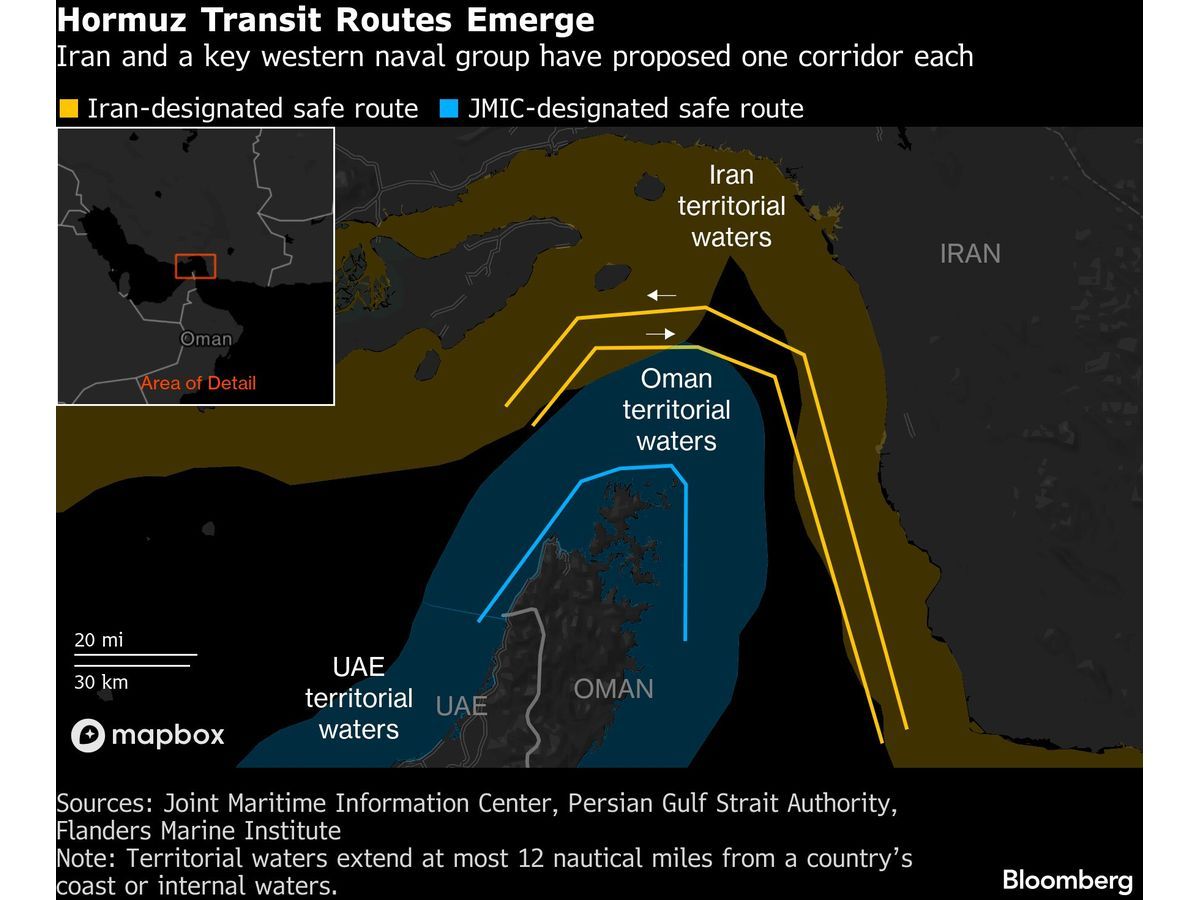
The heightened tensions follow weeks of escalating confrontations in the region. The Strait of Hormuz, a narrow waterway connecting the Persian Gulf to the open sea, is a critical chokepoint for global oil transport, with approximately one-fifth of the world's oil passing through it annually. Any disruption to shipping in this area has the potential to send shockwaves through global energy markets, impacting prices and supply chains worldwide. The recent attacks on oil tankers, for which the US has directly blamed Iran, have amplified these concerns.
Background to the Escalation
The current military actions are the latest in a series of events that have brought the US and Iran to the brink of direct conflict. Tensions have been simmering since the Trump administration withdrew the United States from the Joint Comprehensive Plan of Action (JCPOA), commonly known as the Iran nuclear deal, in 2018. The subsequent reimposition of stringent sanctions on Iran has severely impacted its economy, leading to widespread discontent within the country and increasing regional assertiveness by Tehran.
Iran has consistently denied direct involvement in the attacks on shipping, suggesting that such incidents could be the result of sabotage or actions by other regional actors seeking to provoke a wider conflict. However, US intelligence assessments, shared with allies, have pointed to evidence implicating Iran in the mining of vessels and the use of naval mines. These assessments have been a key justification for the US response.
The deployment of additional US military assets to the region, including an aircraft carrier strike group and bomber squadrons, in the preceding weeks had already signaled a heightened state of alert. The latest strikes represent a significant operationalization of that readiness, moving beyond defensive postures to offensive actions.
International Reactions and Implications
The international community has reacted with deep concern to the escalating situation. European allies, who remain signatories to the JCPOA, have urged restraint from both sides. Germany and France, in particular, have called for de-escalation and a return to diplomatic channels, emphasizing the risks of a wider regional war. The United Nations Secretary-General António Guterres has also expressed his alarm, urging all parties to exercise maximum restraint and avoid any actions that could further inflame the situation.
The implications of these strikes are far-reaching. Economically, a sustained conflict or even heightened tensions in the Strait of Hormuz could lead to significant spikes in oil prices, impacting global economic growth. Geopolitically, a direct confrontation between the US and Iran could destabilize the entire Middle East, potentially drawing in other regional powers and exacerbating existing conflicts in countries like Yemen and Syria.
For Iran, the strikes pose a significant challenge. While the regime may seek to rally domestic support against foreign aggression, the economic pressure from sanctions and the potential for further military action could lead to internal instability. The effectiveness of the strikes in deterring future Iranian actions remains to be seen, and there is a palpable fear that they could provoke a more asymmetric response from Iran, potentially through its proxy forces in the region.
What Happens Next?
The immediate future remains uncertain. The US has indicated that further strikes could follow if Iran does not alter its course. Iran, in turn, has vowed to respond decisively to any further aggression. The coming days will be critical in determining whether diplomacy can regain traction or if the region is indeed heading towards a more direct and potentially devastating conflict. The world will be watching closely as the situation unfolds, with the hope that cooler heads will prevail and that a path towards de-escalation can be found before the situation deteriorates further.
The Pentagon's decision to conduct further strikes, coupled with President Trump's strong rhetoric, suggests a deliberate shift in US policy. The emphasis is now clearly on demonstrating a willingness to use force to counter perceived Iranian threats. This approach, however, carries inherent risks of miscalculation and unintended escalation. The coming days will be a crucial test of deterrence, and the response from both Washington and Tehran will shape the trajectory of regional security for the foreseeable future.