Unlikely Allies Mobilize Support for Venezuela After Earthquake
An unexpected coalition of international actors is stepping forward to offer aid to Venezuela in the aftermath of a significant earthquake. The outpouring of support comes from a diverse group, defying typical geopolitical alignments and offering a glimmer of hope in a nation often defined by political division.
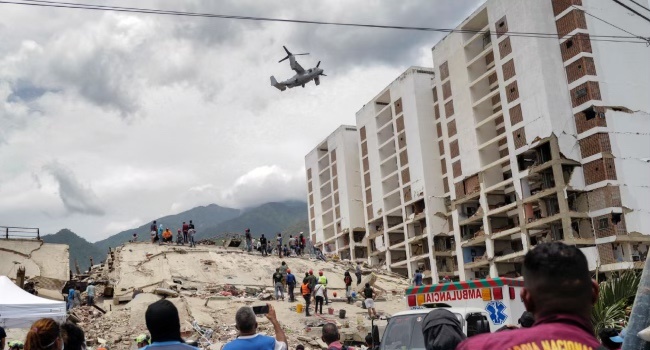
Nations and organizations not typically aligned with the Venezuelan government have pledged resources and assistance. This collaborative effort aims to address the immediate humanitarian needs stemming from the seismic event, which has left a trail of destruction across the country's eastern region. The earthquake, registering a magnitude that caused considerable shaking and structural damage, has displaced thousands of residents and exacerbated existing vulnerabilities within the Venezuelan population.
Analysts suggest this unified response highlights the universal impact of natural disasters, transcending political boundaries and ideological differences. It also underscores a potential shift in international engagement with Venezuela, prioritizing humanitarian concerns over political differences. For years, Venezuela has been subject to a complex web of international sanctions and diplomatic isolation, primarily from Western nations. However, the sheer scale of the humanitarian crisis triggered by the earthquake appears to have prompted a pragmatic recalibration of priorities for some key global players.
The earthquake, which struck the country's eastern region, has caused widespread damage and displaced thousands of residents. The Venezuelan government, led by President Nicolás Maduro, has formally requested international assistance to manage the crisis, a move that has been met with a surprisingly receptive response from a broader spectrum of countries than might have been anticipated given the current geopolitical climate. This request, coupled with the subsequent offers of aid, signals a critical moment for Venezuela, potentially opening avenues for increased international engagement on humanitarian grounds.
The specific nature of the aid being mobilized is multifaceted. Medical supplies, crucial for treating injuries sustained during the quake and for preventing the spread of disease in the aftermath, are being dispatched. Efforts are also underway to provide temporary shelter solutions for the thousands who have lost their homes, a critical step in mitigating exposure to the elements and ensuring basic safety. Furthermore, technical expertise for damage assessment is being offered, which will be vital in understanding the full extent of the destruction and planning for long-term reconstruction. While details on the exact value and delivery timelines are still being finalized, the commitment from these diverse sources is a significant development.
The geopolitical implications of this unexpected alliance are being closely watched. Countries that have previously been critical of the Maduro government have nonetheless responded to the humanitarian appeal. This suggests a recognition that while political differences may persist, the immediate need to save lives and alleviate suffering takes precedence. It could pave the way for more nuanced diplomatic interactions in the future, where humanitarian crises serve as a bridge for dialogue, even between adversaries. The participation of international non-governmental organizations (NGOs) alongside governmental aid further amplifies the reach and effectiveness of the support. These organizations often possess on-the-ground experience and established networks that can facilitate the efficient distribution of aid in challenging environments.
The Venezuelan government's role in coordinating this influx of aid will be crucial. Its ability to facilitate the smooth and equitable distribution of resources, free from political interference, will be a key determinant of the success of these international efforts. Transparency and cooperation will be paramount to ensuring that the aid reaches those most in need, particularly in remote or hard-hit areas. The nation's infrastructure, already strained by years of economic hardship, will face immense pressure in accommodating and distributing the incoming assistance.
As of the latest reports, rescue and recovery operations are ongoing, with international teams beginning to arrive. Their presence signifies not only material support but also a shared commitment to the principle of solidarity in the face of natural calamity. The coming weeks and months will reveal the true impact of this unlikely mix of support, potentially marking a turning point in how the international community engages with Venezuela during times of crisis.