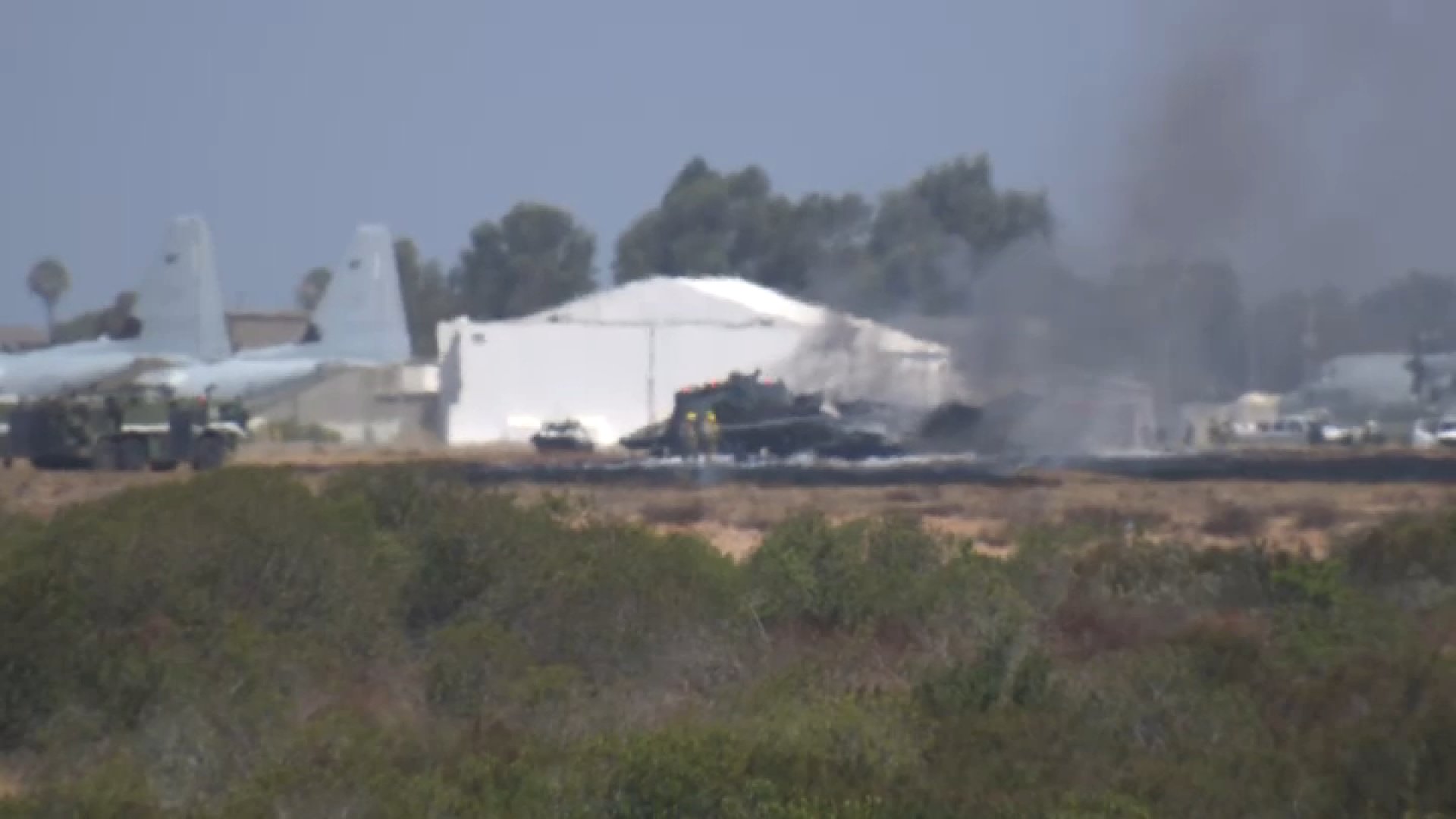
F-35B Fighter Jet Crashes Near San Diego, Pilot Ejects Safely
A U.S. military F-35B fighter jet crashed on Friday near the Marine Corps Air Station Miramar in San Diego, California. The pilot successfully ejected from the aircraft and is reported to be safe, according to an official statement from the U.S. military. The incident has triggered an immediate investigation into the potential causes of the mishap involving one of the most advanced combat aircraft in the American arsenal.
The exact cause of the crash is currently under investigation. Military officials confirmed the incident occurred in the vicinity of the airbase, though specific details regarding the flight path or the precise location of the impact are still being gathered. The pilot, whose identity has not been released, was reportedly recovered quickly and is receiving medical evaluation as a precautionary measure. The successful ejection of the pilot is a testament to the aircraft's safety systems designed for such emergencies.
The F-35B is a variant of the fifth-generation stealth fighter jet, renowned for its advanced capabilities, including short take-off and vertical landing (STOVL). This particular aircraft was assigned to a training mission at the time of the incident. The F-35B variant is operated primarily by the U.S. Marine Corps and is designed to operate from amphibious assault ships and forward operating bases, offering unparalleled tactical flexibility.
The pilot ejected safely and was recovered. Officials are investigating the cause of the crash.
This marks the latest incident involving the advanced fighter jet. While the F-35 program is one of the most expensive military projects in history, with a fleet of over 200 aircraft currently in service across various branches of the U.S. military, such incidents, though infrequent, draw significant scrutiny. The F-35 program, a joint venture involving the U.S. Air Force, Navy, and Marine Corps, along with international partners, aims to provide a common fighter jet for multiple services, reducing costs and increasing interoperability. However, the program has faced numerous challenges, including cost overruns, development delays, and technical issues.
Background of the F-35 Program and the F-35B Variant
The F-35 Lightning II is a family of single-seat, single-engine, all-weather stealth multirole combat aircraft. It was developed by Lockheed Martin. The program began in the late 1990s with the goal of developing a next-generation fighter that could replace a range of aging fighter and strike aircraft. Three main variants were designed: the F-35A (conventional take-off and landing), the F-35B (short take-off and vertical landing), and the F-35C (carrier variant).
The F-35B, the variant involved in Friday's crash, is particularly unique due to its STOVL capability. This allows it to operate from a wider range of locations than conventional aircraft, including smaller aircraft carriers and forward operating bases with minimal infrastructure. This capability is crucial for the U.S. Marine Corps' expeditionary warfare doctrine, enabling rapid deployment and sustained operations in diverse environments.
Previous Incidents and Scrutiny
The F-35 program has been no stranger to scrutiny and occasional incidents. In recent years, there have been several notable events involving F-35 aircraft. In May 2020, an F-35B crashed during a routine training flight at Eglin Air Force Base in Florida. The pilot ejected safely in that incident as well. The investigation into that crash cited a failure in the fuel system as the likely cause.
More recently, in December 2022, an F-35B assigned to the USS Carl Vinson made headlines when it slid off the deck of the aircraft carrier during recovery operations in the South China Sea. While the pilot ejected safely, the aircraft was lost at sea. The U.S. Navy successfully recovered the wreckage to prevent sensitive technology from falling into adversary hands.
These incidents, while not indicative of a systemic flaw, highlight the inherent risks associated with operating advanced, complex military aircraft. Each event prompts thorough investigations to identify contributing factors and implement necessary corrective actions to enhance safety and operational readiness.
Implications of the Crash
The crash near Miramar, a significant hub for naval aviation training and operations, will undoubtedly lead to a detailed review of the F-35B's operational procedures and maintenance protocols. The U.S. military relies heavily on the F-35 for its future air combat capabilities, and any significant issues with the platform could have far-reaching implications for force readiness and strategic planning.
The investigation will likely examine a wide range of potential factors, including pilot error, mechanical failure, environmental conditions, and software glitches. The F-35 is a highly complex aircraft with integrated systems that communicate through sophisticated software. A failure in any one of these components or systems could lead to an accident.
Furthermore, the cost of each F-35 is substantial, running into tens of millions of dollars per aircraft. The loss of a single jet, while insured and replaceable, represents a significant financial investment. More importantly, the operational impact of having fewer aircraft available for training and deployment needs to be considered.
What Happens Next
The immediate priority for the military is to complete the investigation into the cause of the crash. This will involve a thorough examination of the aircraft's wreckage, flight data recorders, and interviews with the pilot and any witnesses. The findings of the investigation will be crucial in determining whether any changes to operational procedures, training, or maintenance are required.
The U.S. military will also assess the impact of this loss on its F-35B fleet operations. While the F-35 program has a large number of aircraft in service, the loss of any operational asset requires adjustments to deployment schedules and training plans.
The incident underscores the ongoing challenges and risks associated with maintaining and operating cutting-edge military technology. As the F-35 continues to be a cornerstone of U.S. air power, such events serve as critical learning opportunities to ensure the safety and effectiveness of this advanced weapons system for years to come.