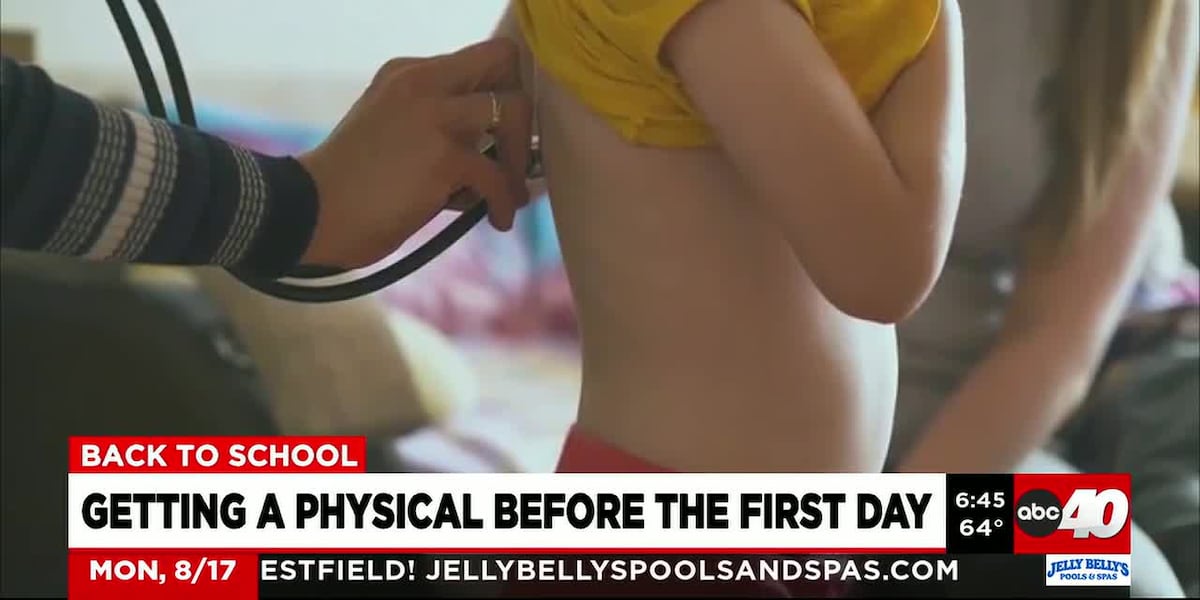
Kindergarten Vaccine Exemptions Reach Record High, Sparking Public Health Alarms
A growing number of kindergartners are entering school without the vaccinations required by law, reaching a new record high for the 2022-2023 academic year. This trend, documented by the Centers for Disease Control and Prevention (CDC), raises significant concerns among public health officials regarding the potential erosion of herd immunity and the increased risk of outbreaks for preventable diseases.
The CDC's latest data reveals that the percentage of kindergartners with personal or philosophical exemptions from school-required vaccines has climbed steadily, marking the latest in a series of increases observed over the past decade. While medical exemptions, granted for legitimate health reasons, remain a small fraction, the surge in non-medical exemptions is the primary driver of this alarming trend.
Health experts attribute the rise to a complex interplay of factors. A significant contributor is the persistent increase in vaccine hesitancy, fueled by the proliferation of misinformation and disinformation online. Organized campaigns questioning the safety and efficacy of vaccines have also played a role in swaying parental decisions. Consequently, a growing segment of parents are opting out of routine childhood immunizations for reasons that extend beyond established medical necessity, often citing personal beliefs or philosophical objections.
The decline in vaccination rates among young children poses a significant risk to community health. Herd immunity, a critical concept in public health, is achieved when a sufficiently high percentage of a population is immune to a disease, thereby protecting vulnerable individuals who cannot be vaccinated due to age or medical conditions. When vaccination coverage falls below these critical thresholds, this protective shield weakens, leaving communities susceptible to outbreaks.
The CDC has previously warned that lower vaccination rates can lead to outbreaks of preventable diseases.
The implications of this trend are far-reaching. Diseases that were once nearly eradicated in many parts of the world, such as measles, are experiencing resurgences. Measles, for instance, is highly contagious and can lead to serious complications, including pneumonia, encephalitis, and even death. Polio, another devastating disease, remains a threat in some regions, and a decline in routine childhood immunizations could increase the risk of its reintroduction. Whooping cough (pertussis) can be particularly dangerous for infants too young to be fully vaccinated.
Public health agencies across the nation are intensifying their efforts to counter the rising tide of vaccine hesitancy. They are emphasizing the proven safety and effectiveness of vaccines in preventing the spread of serious illnesses. Communication strategies are being refined to address parental concerns directly, provide accurate scientific information, and combat the spread of misinformation. Educational campaigns aim to highlight the collective benefit of vaccination in protecting not only individual children but also the broader community, especially those with compromised immune systems.
The specific data for the 2022-2023 school year indicates that the number of kindergartners with non-medical exemptions surpassed previous records. While state-level data can vary, the national trend is a cause for concern. Some states have stricter exemption policies than others, but the overall upward trajectory suggests a national challenge.
The rise in exemptions has also coincided with political discourse surrounding vaccine mandates. While federal mandates for certain populations exist, vaccine requirements for school entry have historically been determined at the state level, with many states allowing for medical, religious, and sometimes philosophical exemptions. Recent executive orders and legislative debates at both federal and state levels have touched upon vaccine requirements, adding another layer of complexity to the public health discussion. However, the core issue remains the declining uptake of vaccines due to parental choice, often influenced by misinformation.
Looking ahead, public health officials are exploring various strategies to reverse this trend. These include strengthening vaccination education programs in schools and healthcare settings, working with community leaders to build trust, and advocating for policies that support robust vaccination coverage while respecting individual rights where appropriate. The goal is to ensure that the gains made against vaccine-preventable diseases over the past century are not lost, safeguarding the health of future generations.
The CDC continues to monitor vaccination rates closely and collaborates with state health departments to understand the specific drivers of exemption increases in different regions. The ongoing challenge lies in balancing public health imperatives with individual freedoms, a delicate equilibrium that is being tested by the current rise in vaccine exemptions.