Deadly Blast Rocks Moscow Restaurant, Mayor Declares 'Terror Attack'
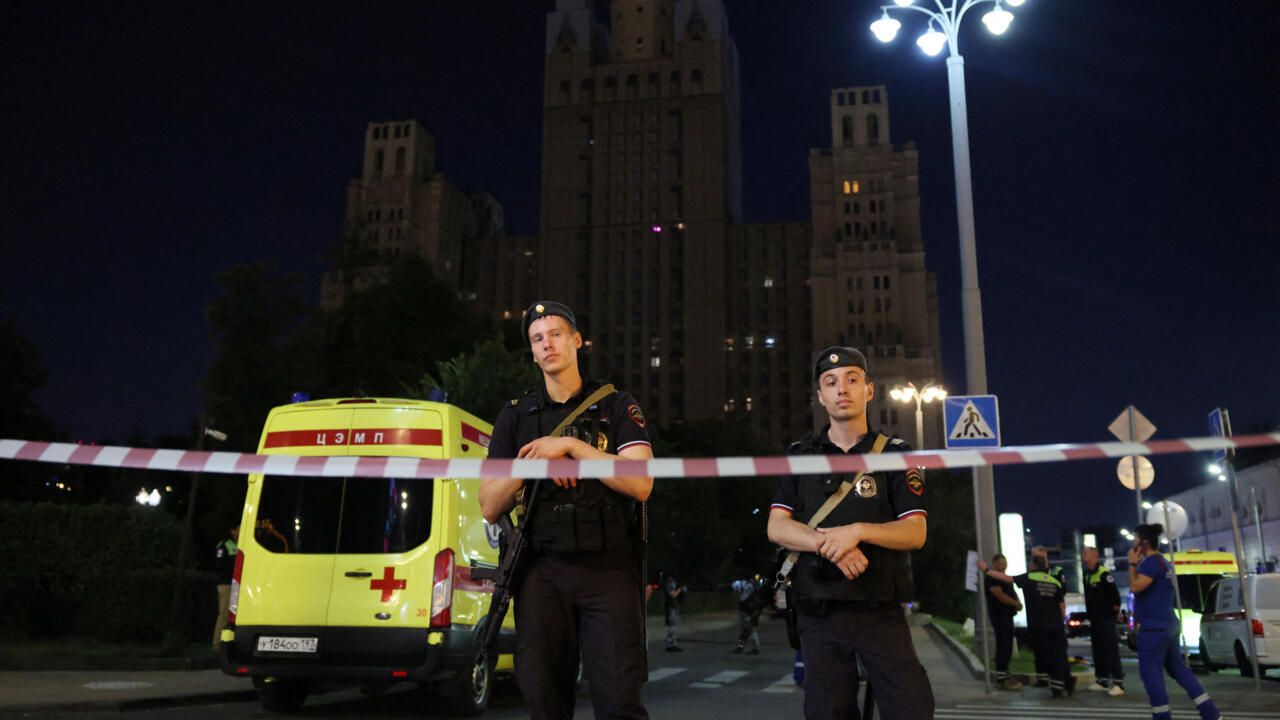
An explosion at an upscale Moscow restaurant on Saturday killed three people and injured 21 others, Russian authorities reported. The blast occurred at Kudrinskaya Square, a prominent city location known for its historic architecture and vibrant nightlife.
Mayor Sergei Sobyanin characterized the incident as a "brutal terror attack" and vowed that those responsible would face justice. The nature of the explosion indicated it was a bombing, according to officials, with initial forensic reports suggesting the use of an improvised explosive device (IED) with a significant yield.
"This was a brutal terror attack," Mayor Sobyanin stated, promising punishment for the perpetrators. "We will find them and they will be punished."
Among the fatalities were a security guard who was on duty at the time of the blast, and a woman who authorities believe arrived with the suspicious package that detonated. The identities of the victims are still being withheld pending notification of their families. The injured are receiving medical attention, with several reported to be in critical condition due to the severity of their injuries, which include shrapnel wounds and burns.
The explosion occurred at approximately 6:45 PM local time, a peak hour for dining and social gatherings in the area. The force of the blast caused significant damage to the restaurant's facade and interior, with debris scattered across the street and surrounding buildings. Witnesses described a deafening sound followed by chaos and panic as people fled the scene.
Background and Context
Kudrinskaya Square, also known as Vosstaniya Square, is a significant landmark in Moscow, featuring the iconic Kudrinskaya Building, one of Stalin's Seven Sisters skyscrapers. The area is a hub for both residents and tourists, making the choice of location for such an attack particularly impactful. Upscale restaurants in this district often attract a diverse clientele, including business professionals, diplomats, and affluent citizens.
While Russian authorities have been quick to label the incident a terror attack, the specific motive and perpetrators remain unclear. Moscow has experienced terrorist incidents in the past, though the frequency has decreased in recent years. The last major attack on the city was the 2010 Moscow Metro bombings, which killed 40 people.
Security analysts suggest that the targeting of a public venue like a restaurant could aim to maximize casualties and sow fear among the general population. The use of an IED also points towards a level of planning and technical capability by the perpetrators.
Investigation Underway
Law enforcement agencies, including the Federal Security Service (FSB) and the Investigative Committee, have launched a full-scale investigation. Forensic teams are meticulously examining the blast site for evidence, including bomb fragments, fingerprints, and any potential electronic components. Security camera footage from the restaurant and surrounding areas is being reviewed in an effort to identify individuals who may have been involved in planting the device.
Investigators are reportedly exploring several leads, including potential links to extremist groups, organized crime, or even politically motivated acts. The authorities have appealed to the public for any information that could assist in their investigation, offering a reward for credible tips.
The woman who authorities believe brought the device to the restaurant is a key figure in the investigation. Her identity, her relationship to the device, and whether she was acting under duress or as a willing participant are critical questions that investigators are seeking to answer. Her presence at the scene, and her subsequent death, complicates the immediate identification of the perpetrators.
Implications and Public Reaction
The declaration of a "brutal terror attack" by Mayor Sobyanin has heightened security concerns across the capital. While no specific group has claimed responsibility, the incident is likely to trigger increased security measures in public spaces, including restaurants, shopping centers, and transportation hubs. The Russian government has a history of responding robustly to perceived threats, and this attack could lead to a crackdown on suspected individuals or groups.
The attack also comes at a time of heightened geopolitical tensions, although officials have not yet drawn any direct links between the blast and international events. However, in Russia, any act of violence in a public space is often scrutinized for potential political undertones, both domestic and international.
Public reaction on social media and in news forums has been a mixture of shock, anger, and calls for swift justice. Many express solidarity with the victims and their families, while others voice concerns about the security situation in the city.
What Happens Next
The immediate focus will be on the ongoing investigation, with authorities working to piece together the events leading up to the explosion. The identification of the perpetrators will be paramount for both justice and deterring future attacks. Depending on the findings, Russia may increase its counter-terrorism operations both domestically and potentially abroad, if any international connections are established.
The economic impact on the restaurant and the surrounding area is also a consideration. Businesses in Kudrinskaya Square may experience a downturn in patronage due to heightened security fears and the general atmosphere of caution. The government may also implement new regulations or guidelines for public venues to enhance safety protocols.
The narrative surrounding the event will likely be closely managed by state media, emphasizing the government's commitment to combating terrorism and ensuring public safety. The coming days and weeks will be crucial in understanding the full scope of this attack and its potential long-term consequences for Moscow and its residents.