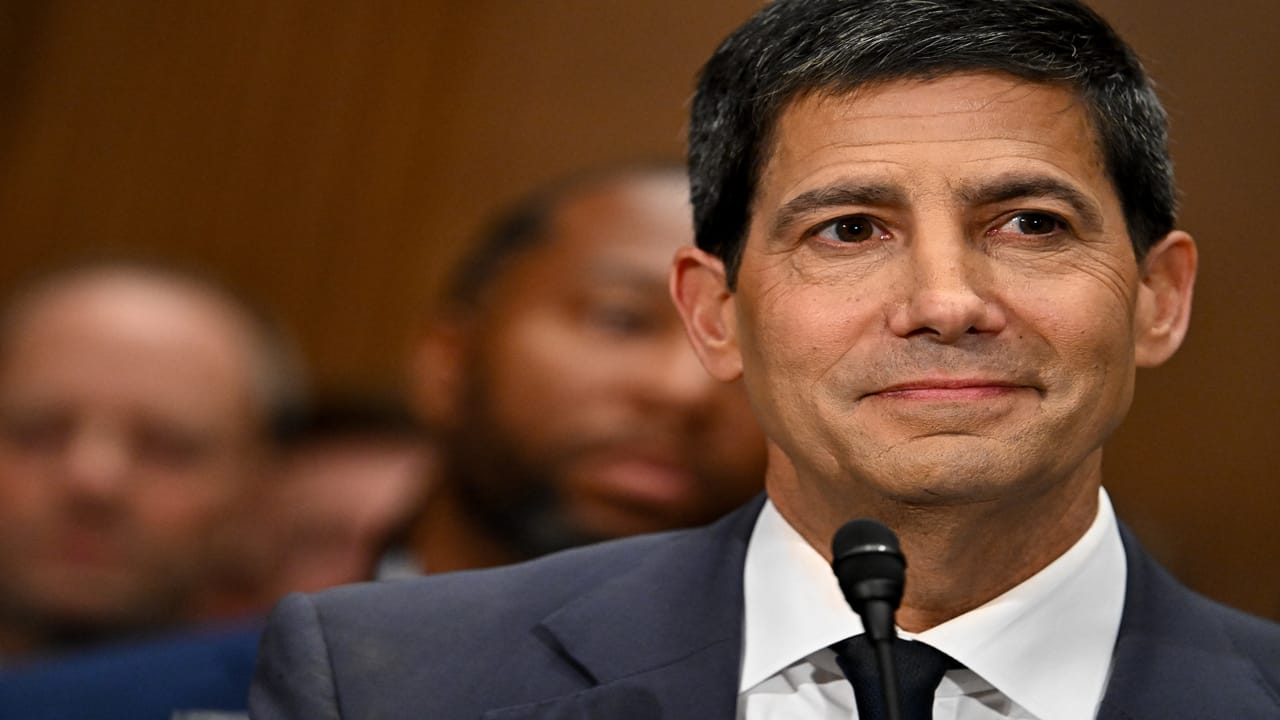
Chairman Warsh Alters Fed Rate Statement, Signals Changes
Federal Reserve Chairman Kevin Warsh has introduced significant modifications to the central bank's policy statement, marking his first major communication since assuming the chairmanship. While interest rates were held steady, the language used in the statement signaled potential shifts in the Fed's operational approach, prompting a notable reaction in financial markets.
The revisions represent a departure from previous statements, with analysts noting a more assertive tone under Chairman Warsh's direction. These changes were released alongside the Federal Open Market Committee's (FOMC) decision to maintain the current interest rate levels, a move that was widely expected by market participants. The statement, a crucial tool for conveying the Fed's economic outlook and policy intentions, underwent a thorough review and revision process, suggesting a deliberate effort to recalibrate the central bank's messaging.
Futures markets had largely anticipated the decision to keep rates unchanged, a move that comes as inflation has reached a three-year high. The Consumer Price Index (CPI) has shown persistent upward pressure, a development that has been closely monitored by policymakers. The Fed's statement did not alter the benchmark federal funds rate, which remains at its existing target range. This decision reflects a complex balancing act for the central bank, as it navigates inflationary pressures against the backdrop of a still-evolving economic recovery.
Treasury yields have seen an increase following the announcement, reflecting market anticipation of future policy adjustments. The yield on the benchmark 10-year Treasury note, for instance, ticked higher, indicating that investors are pricing in a potentially more hawkish stance from the Fed in the coming months. This rise in yields can have broad implications, affecting borrowing costs for businesses and consumers, as well as influencing the valuation of other assets.
In addition to altering the statement, Chairman Warsh announced the formation of a task force dedicated to overhauling major Federal Reserve operations. This initiative underscores a broader effort to reshape the central bank's internal processes and communication strategies. The task force is expected to examine various aspects of the Fed's functioning, from monetary policy implementation to regulatory oversight and public engagement. The goal, according to sources familiar with the matter, is to enhance the efficiency, transparency, and effectiveness of the Federal Reserve in a rapidly changing economic landscape.
The FOMC's decision to hold rates steady occurred on Wednesday, the same day the revised statement was issued. This simultaneous release of the rate decision and the altered communication strategy highlights the interconnectedness of the Fed's policy actions and its forward guidance. The specific language changes in the statement are being dissected by economists and strategists. For example, subtle shifts in wording regarding economic conditions, inflation outlook, or the committee's tolerance for price stability could signal a recalibration of the Fed's reaction function. Analysts are particularly keen to understand how these changes might influence the Fed's future rate hike trajectory, especially in light of the elevated inflation figures.
The appointment of Kevin Warsh as Chairman has been closely watched, given his background and his stated commitment to a disciplined monetary policy. His tenure thus far suggests a proactive approach to leadership, aiming to instill a renewed sense of purpose and direction within the institution. The comprehensive review of Fed operations, coupled with the carefully crafted policy statement, indicates a desire to move beyond the status quo and adapt to new economic challenges and opportunities. The market's immediate reaction, evidenced by the rise in Treasury yields, suggests that investors are taking these signals seriously, anticipating a more dynamic Federal Reserve under Chairman Warsh.
Moving forward, the focus will be on whether these initial changes translate into concrete policy shifts. The task force's findings and recommendations will be critical in shaping the future operational framework of the Federal Reserve. Furthermore, subsequent FOMC statements and Chairman Warsh's public remarks will be scrutinized for further indications of the evolving monetary policy stance. The current environment, characterized by persistent inflation and a complex global economic outlook, presents a significant test for the central bank, and the changes initiated by Chairman Warsh appear to be an early attempt to equip the Fed for the challenges ahead.
Key facts: Fed Chairman Warsh announces changes to rate statement.; Treasury yields are rising.; Fed holds interest rates steady as inflation hits a 3-year high.