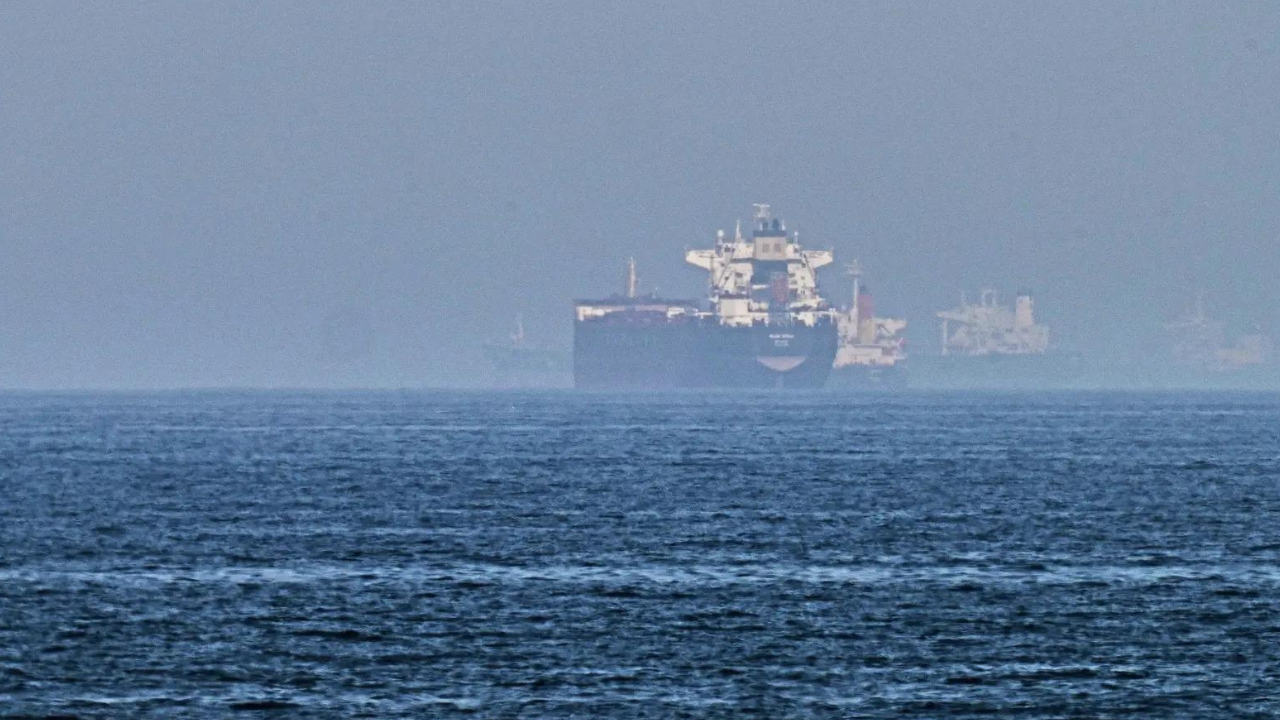
Cargo Vessel Attacked in Red Sea, UK Maritime Authority Reports
A cargo vessel operating in the Red Sea has reported coming under attack, according to the United Kingdom Maritime Trade Operations (UKMTO), a development that underscores ongoing security vulnerabilities in one of the world's most critical maritime arteries.
The incident occurred in a strategically vital waterway that serves as a conduit for a substantial percentage of global trade. The Red Sea connects the Mediterranean Sea to the Indian Ocean via the Suez Canal, facilitating the movement of goods between Europe, Asia, and Africa. Disruptions in this region can have far-reaching economic consequences, impacting supply chains and potentially leading to increased shipping costs and delays.
While the UKMTO has confirmed the report of an attack, details regarding the vessel's identity, its cargo, the nature of the assault, and the extent of any damage or casualties remain undisclosed. Such information is typically gathered and verified by maritime authorities and naval forces operating in the region.
This latest incident unfolds against a complex geopolitical backdrop. The Red Sea has been a focal point for maritime security concerns, with various actors and interests vying for influence and control in the surrounding waters. The report comes amidst a period described as a fragile ceasefire between Iran and the United States, a dynamic that has historically influenced regional stability and maritime operations. Tensions in the wider Middle East, often involving Iran and its proxies, have frequently spilled over into maritime security incidents, including attacks on shipping and naval vessels.
The Red Sea has previously been a site of significant maritime security concerns. In recent years, the region has witnessed incidents ranging from piracy to attacks attributed to state or non-state actors. These events have prompted increased naval patrols by international coalitions and heightened vigilance among shipping companies. The presence of naval forces from various countries, including those involved in counter-piracy operations and broader security missions, is a common feature of the Red Sea's maritime landscape.
The implications of such an attack are multifaceted. For the shipping industry, it represents a renewed threat to the safety of vessels and crews, potentially leading to increased insurance premiums and the consideration of alternative, longer, and more costly routes. For global commerce, it highlights the fragility of international supply chains and the vulnerability of key transit points to geopolitical instability. The economic impact can be swift, with oil prices and the cost of consumer goods susceptible to fluctuations based on perceived risks to maritime trade.
Analysts will be closely monitoring the situation to determine the perpetrator and the motive behind the attack. The nature of the vessel and the method of attack, once revealed, could offer clues as to whether this is an isolated act of piracy, a targeted strike related to regional conflicts, or a broader attempt to disrupt international shipping. The involvement of any specific militant groups or state-sponsored entities would significantly alter the diplomatic and security response.
Naval forces and international maritime bodies are expected to increase their presence and surveillance in the affected area. The UKMTO, along with other organizations like the International Maritime Organization (IMO) and various national navies, will likely issue advisories and warnings to mariners transiting the region. The response will also depend on the vessel's flag state and the nationalities of its crew, which could draw in specific international partners for investigation and potential response.
The incident serves as a stark reminder of the persistent security challenges in vital international waterways. The Red Sea, with its high volume of traffic and its proximity to regions of geopolitical tension, remains a critical area where the interplay of commerce, security, and international relations is constantly tested. The coming days will be crucial in understanding the full scope of this attack and its potential ramifications for global shipping and regional stability.
UKMTO confirmed the report of the attack, though further information regarding the vessel's status and the nature of the assault is pending. The organization typically provides updates as more verified intelligence becomes available, often coordinating with military and intelligence agencies to piece together the events.