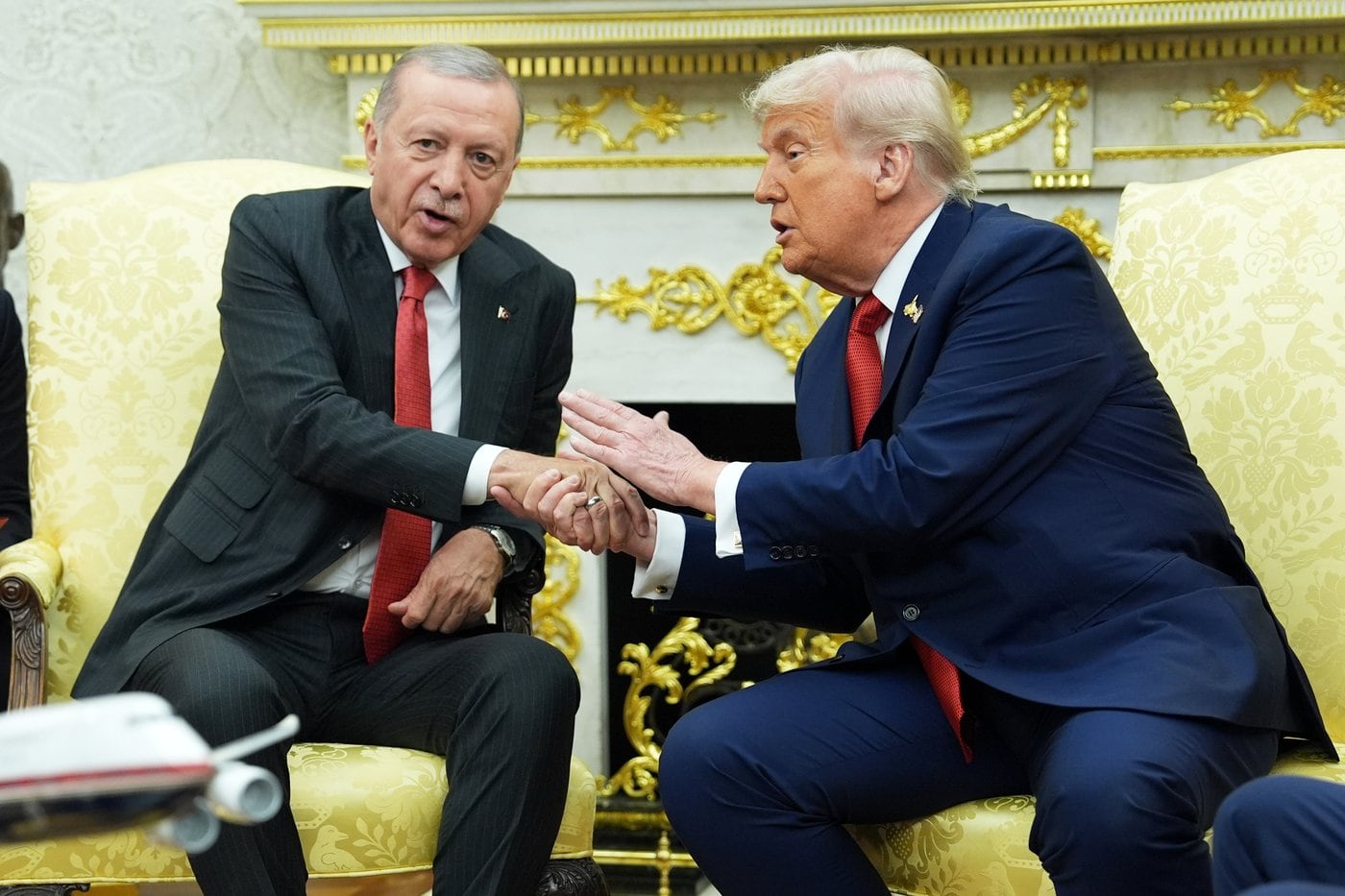
Erdogan's Warm Ties With Trump Offer Turkey an Edge Ahead of NATO Summit
President Recep Tayyip Erdogan of Turkey may find his close relationship with former President Donald Trump a significant asset as NATO leaders convene. Trump, known for his admiration of strongman leaders, cultivated a particularly warm rapport with Erdogan, a dynamic that could subtly, or perhaps overtly, influence the proceedings of the upcoming alliance gathering.
Erdogan, who has held significant power in Turkey for over a decade, first as prime minister and now in his 13th year as president, is expected to leverage this connection. The affinity between the two leaders, characterized by a shared transactional approach to foreign policy and a mutual appreciation for assertive leadership, could influence diplomatic discussions during the upcoming NATO summit. This personal rapport, forged during Trump's presidency, offers a unique channel of communication and potential leverage that other NATO leaders might not possess.
Trump's affinity for strongmen leaders made him an admirer of Erdogan, who amassed power in Turkey as its prime minister and in his 13th year as president.
This personal relationship offers Turkey a potential diplomatic advantage. It could shape negotiations and bilateral engagements among alliance members, particularly given Trump's past approach to international relations, which often prioritized bilateral deals over multilateral consensus. Erdogan's ability to tap into this past dynamic, even with Trump out of office, could provide him with a unique footing in discussions on critical alliance issues, such as burden-sharing, defense spending, and responses to geopolitical threats. The effectiveness of this advantage will likely depend on the extent to which Trump's influence, or the memory of his presidency, still resonates within NATO circles and among the current leadership.
The dynamics of the summit may see Erdogan benefiting from this established rapport. The NATO summit is scheduled to begin next week, and its agenda is expected to be dominated by pressing security concerns, including the ongoing war in Ukraine, the evolving threat from Russia, and the need for greater defense investment across the alliance. Erdogan has historically used his relationships with key Western leaders to advance Turkey's national interests, often navigating complex geopolitical landscapes with a pragmatic, and at times, opportunistic approach. His past interactions with Trump, which saw periods of both friction and surprising cooperation, demonstrated a capacity to extract concessions and secure favorable outcomes for Ankara.
Beyond the direct influence of Trump's past presidency, Erdogan's perceived ability to engage directly with a figure who commanded significant attention on the global stage, and who remains a potent force within American politics, could lend him an air of importance. This perception might encourage other leaders to engage more readily with his positions, seeking to understand or preempt potential future shifts in U.S. foreign policy under a potential Trump return. This strategic positioning allows Erdogan to potentially play a more assertive role in shaping the summit's communiqués and future alliance strategies. His government has often expressed frustration with what it views as insufficient support from allies on issues ranging from counter-terrorism to regional security challenges. The warm ties with Trump, even retrospectively, could serve as a reminder of a period where Turkey felt it had a more direct line to decision-making power within the Western alliance, potentially emboldening Erdogan to press his case more forcefully.
Furthermore, the Trump-Erdogan relationship was often characterized by a transactional nature, where personal rapport could override traditional diplomatic protocols. This approach, while at times controversial, allowed for swift, albeit sometimes unpredictable, agreements on issues of mutual interest. As NATO grapples with complex challenges requiring unified action, Erdogan might seek to replicate this direct, results-oriented engagement. His government's recent actions, such as its conditional approval of Sweden's NATO membership and its ongoing role in mediating aspects of the Ukraine conflict, highlight Turkey's pivotal position within the alliance. The memory of his successful dealings with Trump could embolden Erdogan to adopt a more demanding stance on issues where Turkey feels its contributions or concerns are not adequately recognized by its allies. This could manifest in negotiations over defense procurement, burden-sharing formulas, or even the alliance's strategic posture towards the Middle East and North Africa.
The upcoming summit will be a test of Erdogan's diplomatic acumen and his ability to leverage past relationships in a current geopolitical climate that is vastly different from the Trump era. While Trump is no longer in office, the political landscape he shaped, and the relationships he cultivated, continue to cast a long shadow. For Erdogan, this connection with Trump represents a unique, albeit intangible, asset that he may well deploy to enhance Turkey's influence and secure its interests within the North Atlantic Treaty Organization.