South Africa, Ghana Clash Over Migrant's Death Amid Rising Tensions
A significant diplomatic dispute has erupted between South Africa and Ghana following the death of a Ghanaian national within South African borders this week. The incident has not only sparked outrage and demands for accountability from Accra but has also amplified pre-existing and increasingly volatile tensions within South Africa concerning undocumented migration and the broader socio-economic challenges often attributed to foreign nationals.
Ghanaian officials have been vocal in their condemnation of the incident, expressing profound concern and unequivocally demanding comprehensive answers regarding the precise circumstances that led to the death of their citizen. In response, South African authorities have stated that an official investigation has been launched to ascertain the facts and determine any potential wrongdoing. However, the pace and transparency of this investigation are likely to be closely scrutinized by both governments and the international community.
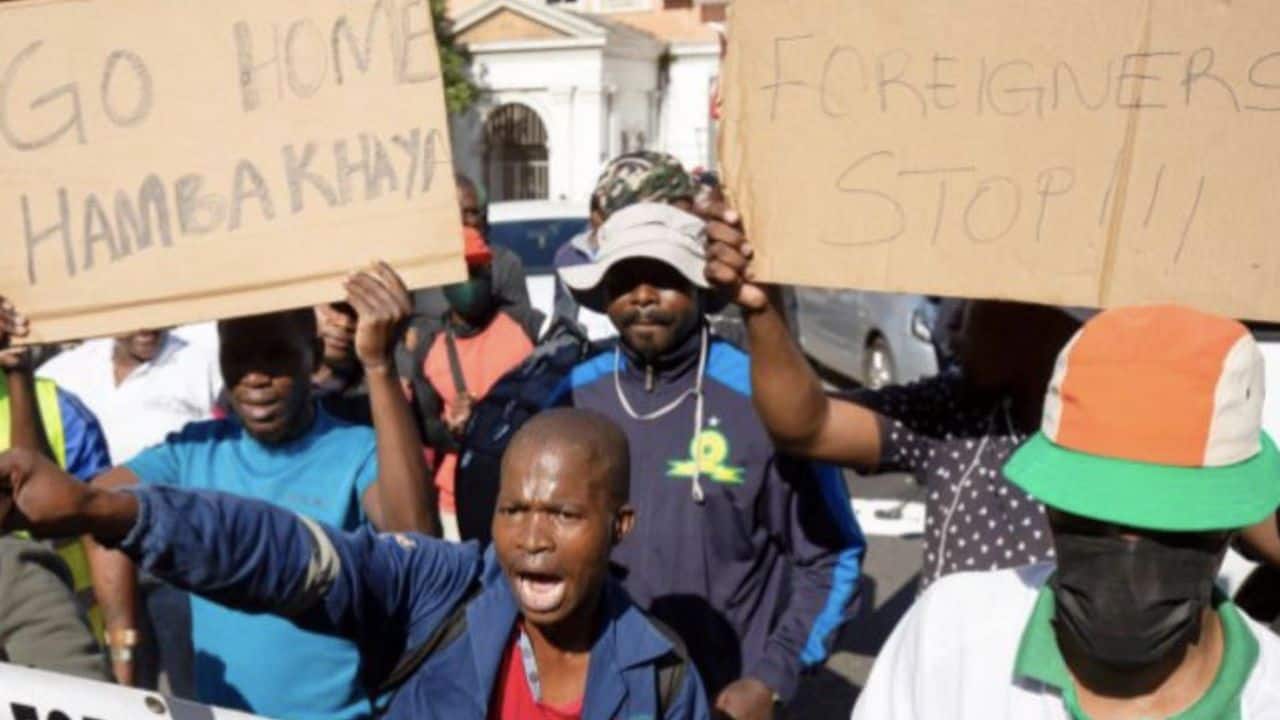
The death of the Ghanaian migrant occurs against a deeply concerning backdrop of escalating anti-immigrant sentiment within South Africa. For years, foreign nationals, particularly those from other African countries, have frequently been cast as scapegoats for a complex array of economic and social problems plaguing the nation. These issues include high unemployment rates, strained public services, and perceived competition for scarce resources. This scapegoating has regrettably manifested in sporadic, yet often brutal, outbreaks of xenophobic violence in recent years, leaving a trail of destruction, injury, and death. The latest incident risks reigniting these deeply entrenched fears and prejudices.
South Africa, by virtue of its economic standing on the continent, has long been a destination for a significant number of migrants from across the African continent, as well as from further afield. Many arrive seeking economic opportunities, safety from conflict, or simply a better life. The South African government has consistently found itself under immense pressure to address the complex issue of undocumented individuals within its borders. This pressure often stems from segments of the population demanding stricter border controls and deportations. Simultaneously, the government is tasked with balancing these domestic demands against its commitments to humanitarian principles, regional solidarity, and maintaining stable diplomatic relations with its African neighbours.
The investigation into the migrant's death is ongoing, with both governments seeking a swift and transparent resolution. However, the broader implications of this incident extend far beyond the immediate case, touching upon the delicate fabric of intra-African relations and the persistent challenge of xenophobia.
South Africa is home to millions of foreign-born residents, a substantial proportion of whom are undocumented. This reality presents a multifaceted challenge for the government, involving issues of human rights, law enforcement, social integration, and national security. The presence of a large undocumented population also creates vulnerabilities for migrants themselves, who may be hesitant to report crimes or seek assistance for fear of deportation, thus becoming targets for exploitation and abuse.
The specific details surrounding the Ghanaian national's death remain unclear, fueling speculation and exacerbating diplomatic tensions. Reports from Ghana suggest a lack of clarity and potential foul play, while South African officials have emphasized the need for the investigation to run its course. This information gap is a breeding ground for mistrust. The Ghanaian Ministry of Foreign Affairs and Regional Integration has reportedly engaged with its South African counterparts to seek full disclosure and ensure justice for the deceased and their family. The South African Department of International Relations and Cooperation (DIRCO) has acknowledged the concerns and pledged full cooperation with the investigation.
Analysts suggest that this diplomatic spat could have wider ramifications. It risks undermining the spirit of African unity and cooperation that South Africa often champions on the global stage. Furthermore, it could embolden anti-immigrant groups within South Africa, potentially leading to further unrest. The incident also highlights the persistent failure of many African nations to address the root causes of irregular migration, such as political instability, economic hardship, and lack of opportunity in countries of origin. While South Africa grapples with the consequences of migration, the underlying issues driving people to leave their homes remain largely unresolved across the continent.
Looking ahead, the resolution of this specific case will be crucial. A thorough, impartial, and transparent investigation that leads to accountability, if warranted, could help de-escalate tensions. However, if the investigation is perceived as lacking credibility or if justice is not served, it could further damage the relationship between South Africa and Ghana, and potentially other African nations concerned about the safety and treatment of their citizens residing in South Africa. The long-term challenge for South Africa remains finding a sustainable and humane approach to migration management that addresses the concerns of its citizens while upholding the rights and dignity of migrants and refugees.