Rescuers Continue Search for Survivors After Venezuela Quakes, Anger Mounts Over Uneven Government Response
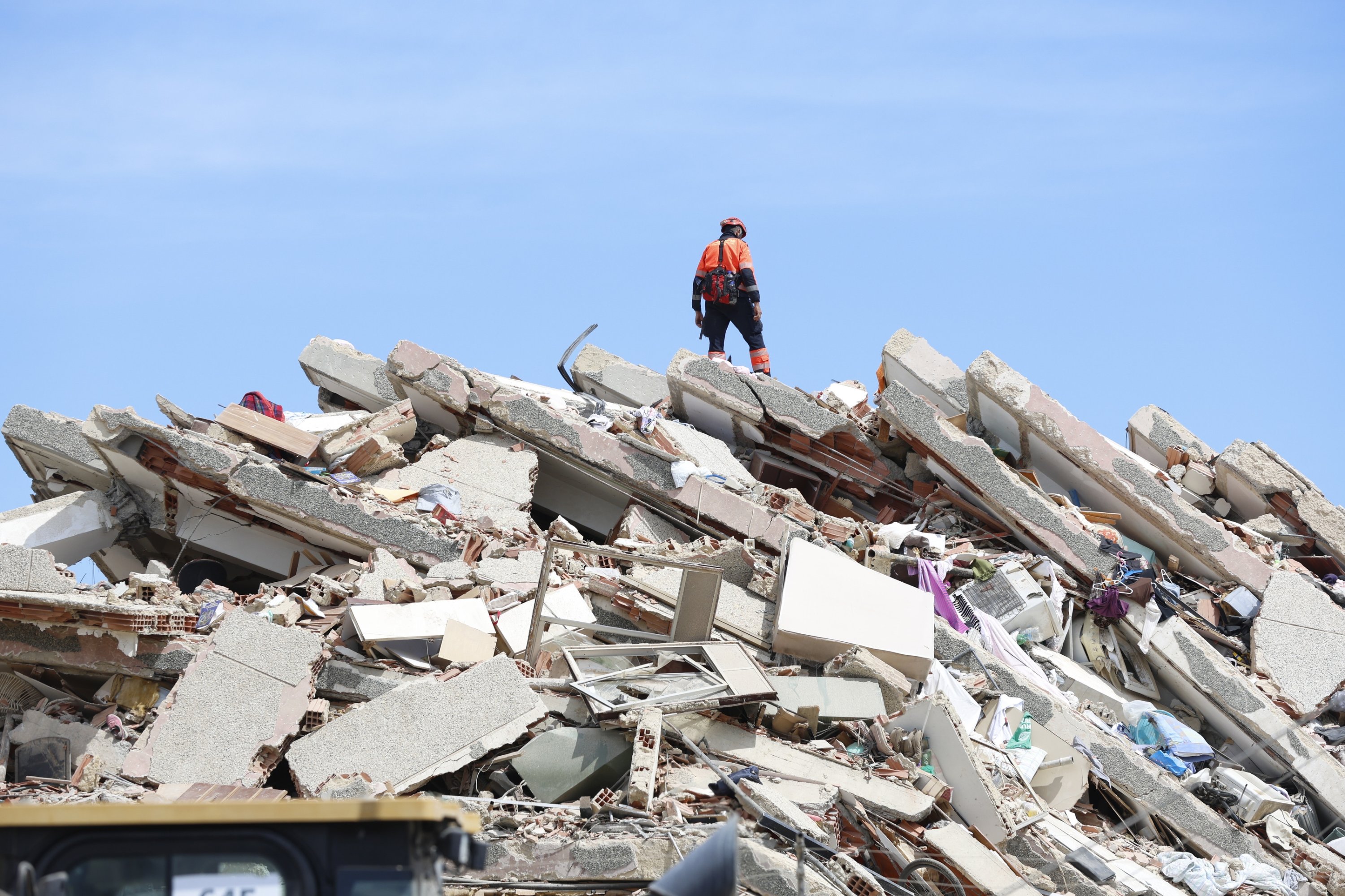
Search and rescue efforts are entering their fifth day following a series of powerful earthquakes that have rattled Venezuela, leaving a trail of destruction and a growing sense of despair. Teams of dedicated rescuers, often working under challenging conditions, are diligently continuing their perilous work to locate individuals still trapped beneath the rubble of collapsed buildings.
The International Rescue Committee (IRC), a prominent non-governmental organization involved in disaster relief, has been on the ground providing critical support. Katie Susman, head of the Latin American region at the IRC, offered a sobering assessment of the ongoing operations. "Day five of search and rescue is a critical juncture," Susman stated, emphasizing the diminishing chances of survival for those still trapped but underscoring the unwavering commitment of the rescue teams. "These efforts are focused on finding any remaining survivors amidst the devastation, pushing the boundaries of what is physically possible."
The situation remains dire, with rescuers facing immense challenges in accessing affected areas and extricating those still buried. The sheer scale of the destruction in some of the hardest-hit towns is overwhelming, making it a race against time and the elements.
Beyond the immediate life-saving operations, a significant undercurrent of frustration and anger is mounting among the Venezuelan populace. Reports from various affected regions indicate that the government's response to the disaster has been perceived as uneven and, in some instances, inadequate. This disparity in the distribution of aid, relief supplies, and the deployment of resources has fueled public discontent, as communities grapple with the devastating aftermath of the seismic events.
The earthquakes, which struck with significant force over several days, have caused widespread damage across multiple Venezuelan states, with initial reports suggesting that the western and central regions bore the brunt of the seismic activity. Infrastructure, including homes, schools, and hospitals, has suffered extensive damage, displacing thousands and leaving many without essential services such as water, electricity, and communication.
The government has pledged substantial aid and has mobilized its military and civil protection agencies. However, eyewitness accounts and local media reports suggest that aid is not reaching all affected areas with the same urgency or volume. Some communities, particularly those in more remote or less politically connected areas, claim to have received minimal assistance, while others appear to be benefiting from a more robust government presence. This perceived favoritism or neglect has ignited public outcry, with citizens questioning the fairness and efficiency of the disaster management efforts.
"We have been waiting for help for days," a resident of a small town in the state of Zulia, who preferred to remain anonymous, told Reuters. "We see trucks going to other places, but nothing has arrived here. Our homes are gone, and we have nothing." Such sentiments are increasingly common, painting a picture of a nation divided not only by natural disaster but also by the perceived inequities in its leadership's response.
The earthquakes have not only caused physical destruction but have also exacerbated Venezuela's already precarious economic and social situation. The country has been grappling with years of hyperinflation, shortages of basic goods, and a significant exodus of its population. This latest disaster adds another layer of hardship for a nation already struggling to cope. International aid organizations are calling for unimpeded access to all affected areas to ensure that relief efforts are equitable and reach those most in need, regardless of their location or political affiliation.
The focus remains on two critical fronts: the ongoing, urgent life-saving rescue operations that continue against all odds, and the pressing need to address the growing discontent over the official response. The long-term recovery of Venezuela will undoubtedly be shaped not only by the physical rebuilding efforts but also by the government's ability to demonstrate transparency, equity, and effective leadership in the face of this devastating natural calamity. The coming days will be crucial in determining whether the government can bridge the trust deficit and unite the nation in its recovery efforts.